
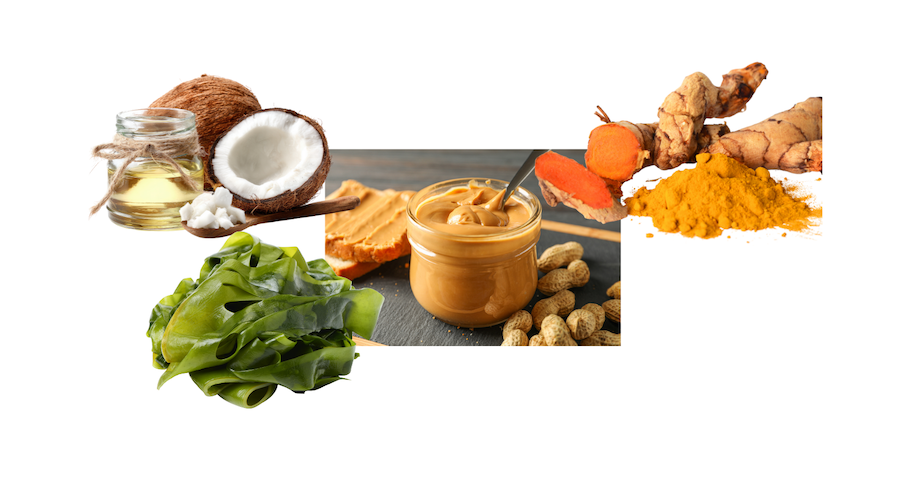
(and that many pet parents use thinking they’re healthy — when they’re not)
638 words, 3 minutes read time.
Your dog’s liver is one of the most delicate organs in the body.
It filters toxins, processes fats, metabolises extracts and supplements, and neutralises anything unnecessary or potentially irritating.
But in recent years, social media trends have pushed pet parents toward snacks, superfoods, nut butters, algae powders, herbal extracts, and oils that sound healthy — yet don’t always support the canine liver.
Here are the 7 trendy ingredients that most commonly overload a dog’s liver.
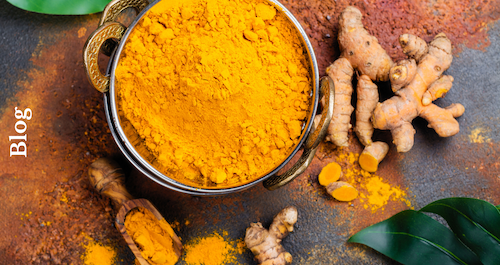
1. Turmeric (curcumin + piperine)
Turmeric is promoted as a universal anti-inflammatory.
However, in dogs:
- curcumin has very low bioavailability (Journal of Veterinary Pharmacology and Therapeutics, 2021)
- many “enhanced” formulas contain piperine, which increases liver workload
- dogs don’t have a physiological need for this spice
Common signs of overload:
tear stains, mild nausea, soft stools, itching, restlessness, skin flare-ups.
2. Coconut oil
Everywhere on TikTok and Instagram — but heavy in saturated fats.
According to the AVMA, coconut oil can:
- raise liver enzymes in sensitive dogs
- worsen inflammatory conditions
- slow digestion
- cause diarrhea or nausea
Not suitable for small breeds, seniors, dogs with gut issues, skin issues, or existing liver concerns.
3. Concentrated plant extracts (green tea, aloe, ginseng, echinacea, etc.)
Brands add them to appear “natural” or “premium”.
But dogs do not metabolise concentrated extracts like humans do.
Examples:
- Green tea → contains methylxanthines that require complex liver metabolism
- Aloe (if not properly decolorised) → can irritate the gut and affect liver processing
- Ginseng → alters how the liver processes certain medications
Sources: Merck Veterinary Manual, ASPCA Animal Poison Control.
Possible effects: diarrhea, itching, strong coat odor, agitation, tear staining.
4. Brewer’s yeast / Nutritional yeast
Extremely popular for “skin and coat”.
But yeast is rich in purines, which the liver must convert into uric acid
(National Research Council – Nutrient Requirements of Dogs).
Common reactions:
itchiness, tear staining, bloating, gas, skin flare-ups, redness, soft stools.
It is one of the fastest-acting “triggers” in sensitive dogs.
5. Kelp (seaweed)
A top trendy “superfood”, now added to snacks, supplements, powders, “oral care” products and foods.
Kelp is naturally extremely high in iodine, which impacts both thyroid function and liver workload.
Research published in the Journal of Animal Physiology and Animal Nutrition shows that iodine excess in dogs can cause:
- elevated liver enzymes
- restlessness
- hair loss
- thyroid dysfunction
- metabolic imbalance
Every brand uses a different amount of kelp — often undisclosed — making overdosing incredibly easy.
6. Natural flavours / “broth flavour” / concentrated aromas
Brands use them to make food irresistible, but these flavours contain volatile compounds that must be processed by the liver
(FDA Center for Veterinary Medicine).
Effects often seen:
tear staining, soft stools, increased thirst, itching, coat odor, mild nausea, food sensitivity.
The stronger the smell → the heavier the liver workload.
7. Nuts & Peanut Butter (peanuts, almond butter, cashews, etc.)
One of TikTok’s biggest trends:
“Just put peanut butter in the Kong!”
But nuts are not ideal for dogs.
Why they stress the liver:
- high in complex, oxidisable fats
- often contain salt
- may contain xylitol (seriously toxic)
- almonds are hard to digest
- peanuts are highly allergenic and inflammatory
Peanut butter is the worst offender — especially when given daily.
Visible effects:
- diarrhea
- greasy or shiny stools
- itchiness
- tear stains
- bloating
- increased thirst (sign of liver stress)
- skin irritation
It’s a “cute” trend online, but not a healthy one.
How to truly support your dog’s liver
✔ Choose simple ingredients
✔ Avoid unnecessary superfoods
✔ Limit saturated fats
✔ Avoid daily peanut butter
✔ Choose products without added flavours
✔ Be mindful of algae and high-iodine ingredients
Conclusion
The issue isn’t “natural ingredients” — it’s over-concentrated, trendy, marketing-driven ingredients that dogs simply don’t need.
To protect your dog’s liver, focus on:
🌿 simple nutrition
🌿 clean snacks
🌿 minimal ingredients
🌿 no nut butters
🌿 no unnecessary extracts
Your dog’s liver thrives when you keep things canine, not trendy.